
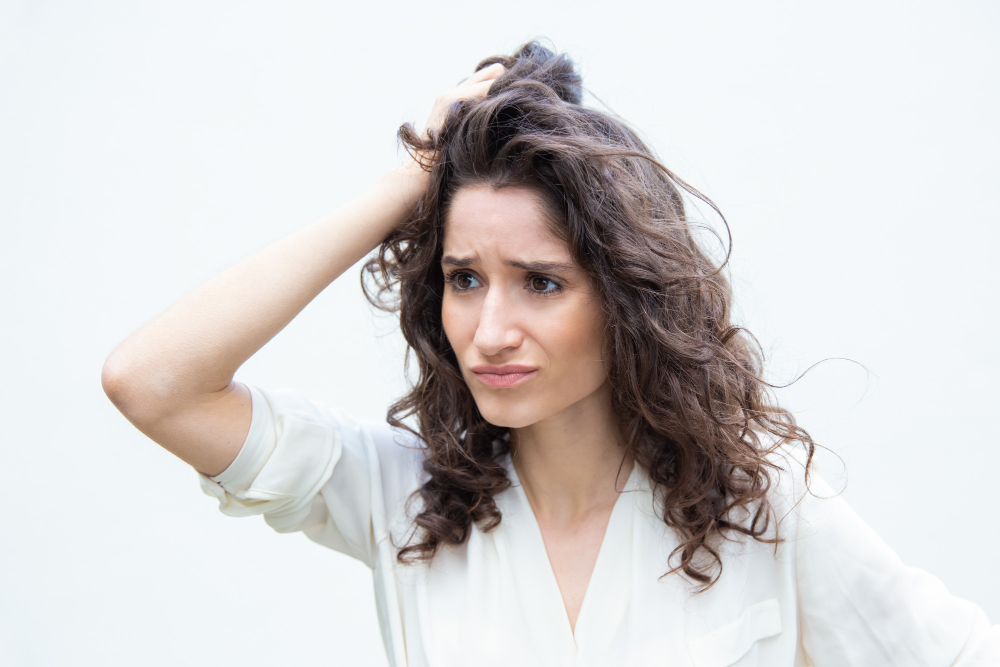
What Is Scalp Itching?
Scalp itching is a feeling that makes you want to scratch your head. Many people experience this problem at some point. Sometimes, the itch is mild and goes away quickly. Other times, it can be severe and last for days. While scalp itching often has simple causes, it can also signal a health issue. For this reason, it is important to know what might be causing your symptoms and when to seek help.
Common Causes of Scalp Itching
There are many reasons for scalp itching. Some causes are harmless, while others may need treatment. Below are some of the most common scalp itching causes:
According to the Centers for Disease Control and Prevention (CDC), head lice and dandruff are among the most frequent causes in children and adults.
Symptoms to Watch For
Scalp itching can come with other symptoms. For example, you may notice:
Sometimes, these symptoms can point to a more serious problem. Therefore, it is important to pay attention to any changes.
How Scalp Itching Is Diagnosed
Doctors use several steps to find the cause of scalp itching. First, they ask about your symptoms and health history. Next, they look at your scalp and hair. Sometimes, they use a special light or magnifier. In some cases, doctors may take a small skin sample. This helps them check for infections or skin diseases. If lice are suspected, the doctor may look for live bugs or eggs. According to the American Academy of Dermatology, most cases can be diagnosed with a simple exam.
Treatment Options for Scalp Itching
There are many ways to get relief for itchy scalp. The best treatment depends on the cause. For mild cases, over-the-counter products may help. However, some people need prescription medicine. Common itchy scalp treatment options include:
For best results, always follow your doctor’s advice. If symptoms do not improve, you may need a different treatment.
When to Seek Medical Care
Sometimes, scalp itching can signal a more serious issue. You should see a doctor if:
When to see a doctor for scalp itching depends on your symptoms. If you are unsure, it is always safer to ask a healthcare provider.
Tips to Prevent Scalp Itching
There are simple steps you can take to lower your risk of scalp itching. For example:
By following these tips, you can help prevent scalp itching and keep your scalp healthy. Consult experts at DERMAX SKIN & HAIR TRANSPLANT CLINIC.