
What is Melasma?
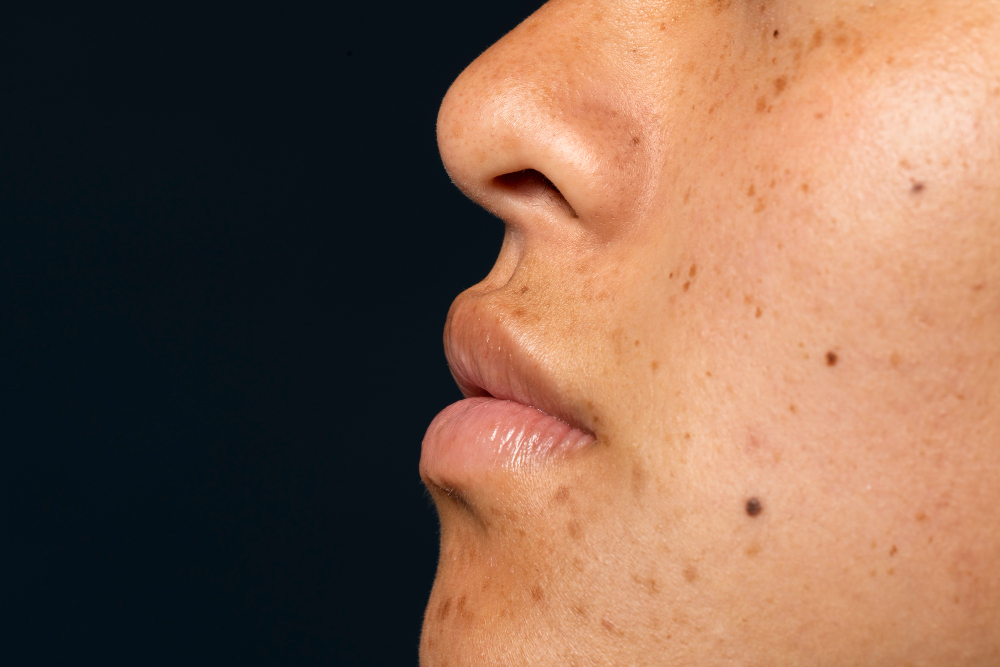
Melasma is a common skin condition. It causes brown or gray-brown patches on the face. Usually, these patches appear on the cheeks, forehead, nose, or upper lip. Many people notice melasma more in sunny weather. Because melasma can affect self-confidence, many seek melasma treatment to improve their skin.
Common Symptoms of Melasma
Melasma symptoms are easy to spot. However, they can look like other skin problems. Here are the main signs:
Sometimes, melasma symptoms get worse with sun exposure. For example, spending time outdoors without sunscreen can make patches darker.
Causes and Risk Factors
Doctors are not sure what causes melasma. Still, several factors can raise your risk. For instance, sunlight is a major trigger. Here are some common causes and risk factors:
Additionally, women are more likely to develop melasma than men. According to the American Academy of Dermatology, about 90% of people with melasma are women.
How Melasma is Diagnosed
Doctors can often diagnose melasma by looking at your skin. However, they may use special lights to see the patches better. Sometimes, a small skin sample (biopsy) is needed to rule out other conditions. Usually, no blood tests are required. If you notice new or changing patches, it is important to see a doctor for the right diagnosis.
Treatment Options for Melasma
Melasma treatment depends on your skin type and how severe the patches are. While melasma can fade on its own, especially after pregnancy, many people want faster results. Here are some common treatment options:
However, not all treatments work for everyone. For best results, follow your doctor’s advice and avoid home remedies that are not proven safe. If you are looking for melasma treatment in your area, ask your dermatologist about the best options for your skin.
Prevention and Lifestyle Tips
Although melasma cannot always be prevented, you can lower your risk. Here are some helpful tips:
In addition, the best skincare for melasma includes gentle cleansers and moisturizers. Avoid harsh scrubs or products with alcohol, as these can make melasma worse.
When to See a Dermatologist
If you notice new dark patches or if your melasma is not improving, it’s time to consult a dermatologist. Early treatment can help prevent the patches from spreading, and a dermatologist can recommend the best treatment for your specific skin type. Remember, some skin changes may resemble melasma but require different care.
In summary, melasma is a common skin concern that can be managed effectively with the right care. Consult a dermatologist at DERMAX Skin & Hair Transplant Clinic for personalised advice and a tailored treatment plan to help you achieve clear, even-toned skin.