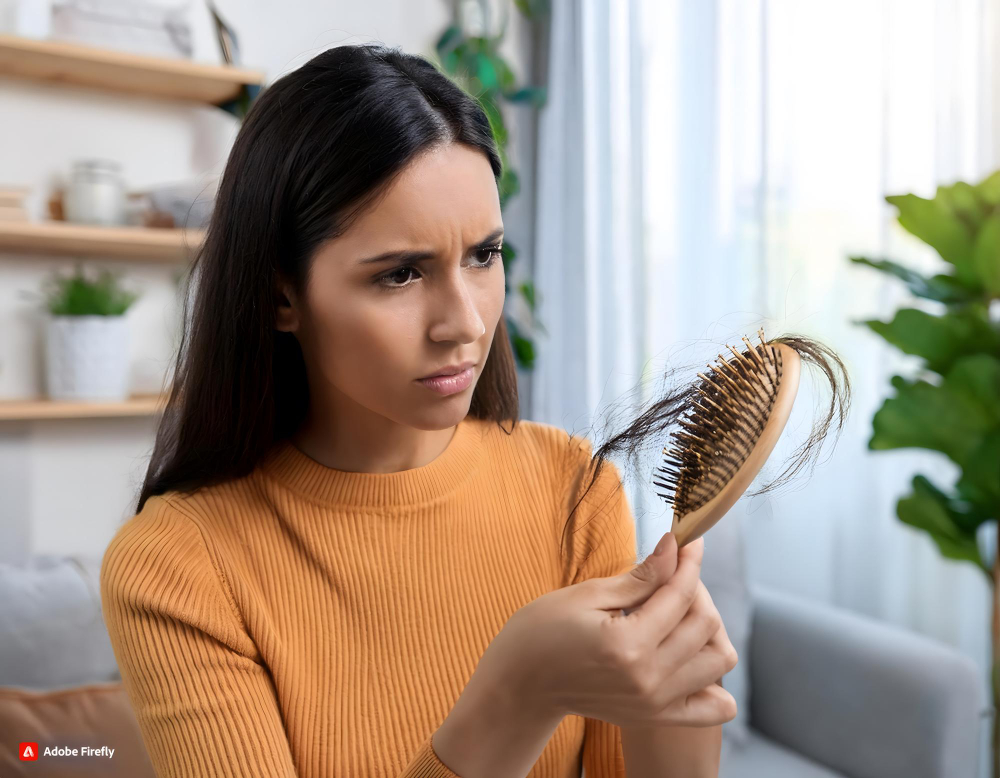
Many people worry when they notice more hair falling out. Hair loss due to nutritional deficiencies is a common problem. In fact, what you eat can affect the health of your hair. If your body does not get enough key nutrients, your hair may become thin or fall out. Understanding the link between nutrient deficiency hair loss and your diet can help you make better choices for your hair health.
What Is Hair Loss Due to Nutritional Deficiencies?
Hair loss due to nutritional deficiencies happens when your body lacks important vitamins or minerals. As a result, your hair may not grow well or may fall out more than usual. While many things can cause hair loss, not getting enough nutrients is a common reason. For example, iron deficiency hair loss is one of the most well-known types. Eating a balanced diet can help prevent this type of hair loss.
Common Symptoms
Sometimes, it is hard to know if your hair loss is from a nutrient problem. However, certain signs may point to this cause. For instance, you may notice:
Additionally, you might feel tired or weak if you have a vitamin or mineral deficiency. If you notice these symptoms, it is a good idea to talk with a healthcare provider.
Key Nutritional Deficiencies Linked to Hair Loss
Several nutrients are important for healthy hair. When you do not get enough, hair loss can happen. Some of the most common deficiencies linked to hair loss include:
For example, the World Health Organization notes that iron and zinc are key for hair and overall health. Eating foods rich in these nutrients can help prevent hair loss due to nutritional deficiencies.
Causes and Risk Factors
Many things can lead to nutrient deficiency hair loss. For instance, you may be at risk if you:
In addition, some medicines can lower nutrient levels in your body. If you think you are at risk, it is important to discuss this with your doctor.
How Hair Loss Is Diagnosed
Doctors use several steps to find out if hair loss is from a nutritional problem. First, they will ask about your diet and health history. Next, they may check your scalp and hair. Often, blood tests are used to look for low levels of iron, vitamin D, or other nutrients. Sometimes, doctors may also check for other health issues that can cause hair loss. Early diagnosis can help you get the right treatment.
Treatment Options
Once the cause is found, treating hair loss due to nutritional deficiencies often involves fixing the nutrient problem. For example, your doctor may suggest:
In many cases, hair will start to grow back once your nutrient levels return to normal. However, it may take several months to see results. Always follow your doctor’s advice before starting any supplements.
Dietary and Lifestyle Tips for Healthier Hair
There are simple steps you can take to support hair health. For instance, you can:
Additionally, managing stress and getting enough sleep can help keep your hair healthy. These tips are part of preventing hair loss with nutrition and good habits.
Prevention Strategies
Preventing hair loss due to nutritional deficiencies is possible with a few simple steps. For example:
By staying aware of your nutrition, you can help protect your hair and overall health.
Conclusion
If you are worried about hair loss or want to improve your hair health, book a consultation at DERMAX SKIN & HAIR TRANSPLANT CLINIC. Our team can help you find the right solutions for your needs.