
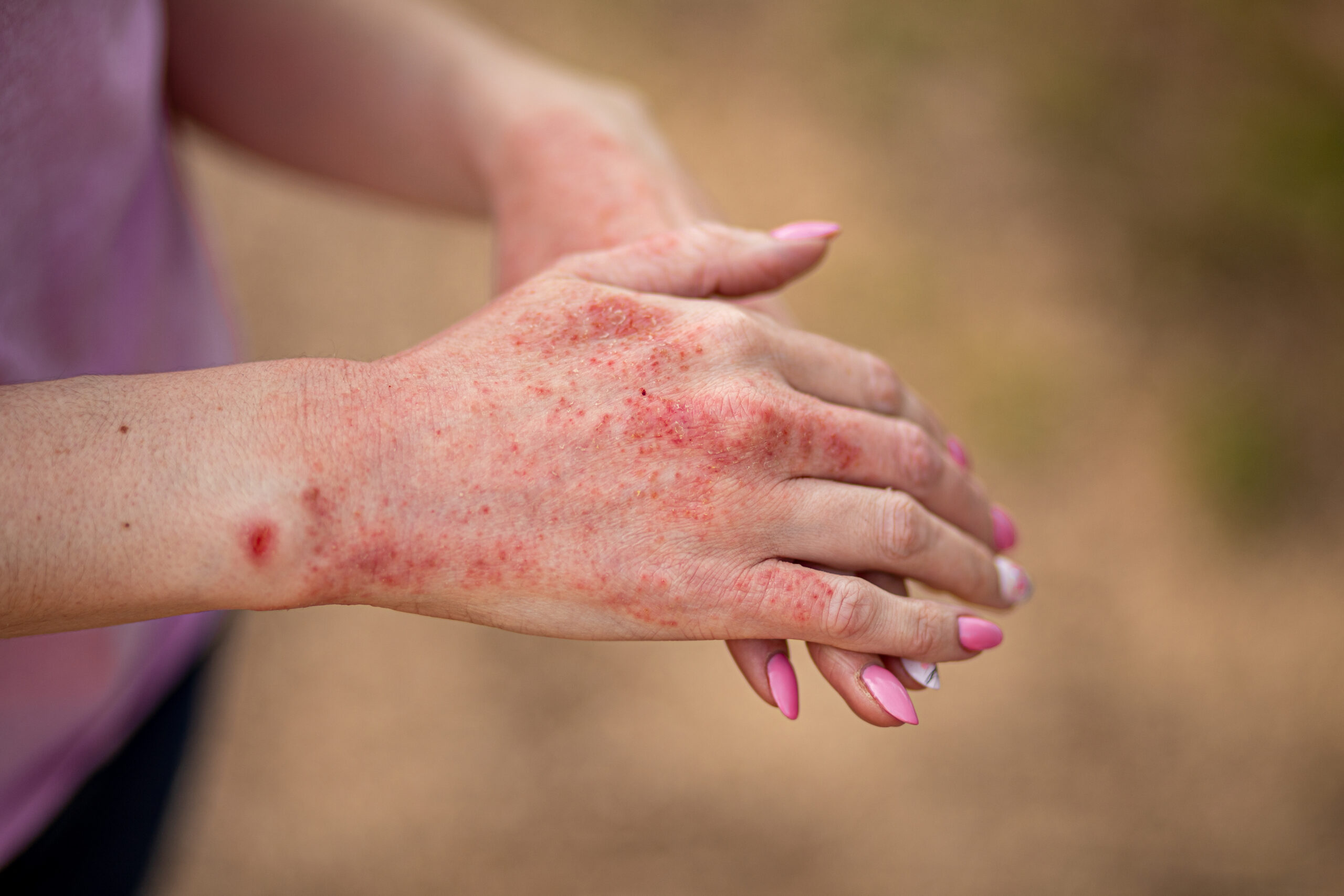
Contact dermatitis is a common skin condition that affects many people worldwide. It happens when your skin reacts to something it touches. Often, this reaction leads to a skin rash, redness, or itching. Because contact dermatitis can be uncomfortable, understanding its causes and prevention is important. In this blog, you will learn about contact dermatitis, its symptoms, diagnosis, and how to prevent it.
What Is Contact Dermatitis?
Contact dermatitis is a type of skin inflammation. It occurs when your skin comes into contact with an irritant or allergen. As a result, you may notice redness, swelling, or itching. There are two main types:
Both types can cause discomfort. However, they are not contagious and usually improve with proper care.
Common Causes of Contact Dermatitis
Many everyday items can trigger contact dermatitis. Because everyone’s skin is different, triggers may vary. Here are some common causes:
In some regions, climate can also play a role. For example, dry or cold weather may make your skin more sensitive to irritants.
Recognizing Symptoms
Contact dermatitis symptoms can appear within hours or days after exposure. While symptoms may differ, common signs include:
Sometimes, symptoms can spread if you keep touching the irritant. However, contact dermatitis does not spread from person to person.
How Contact Dermatitis Is Diagnosed
If you have a skin rash that does not improve, a dermatologist can help. Usually, doctors diagnose contact dermatitis by examining your skin and asking about your recent activities. Sometimes, they may use patch testing. In this test, small amounts of possible allergens are placed on your skin. After a few days, your doctor checks for reactions. This helps identify what is causing your symptoms. According to the American Academy of Dermatology, patch testing is safe and helpful for finding triggers.
Treatment Options
Most cases of contact dermatitis improve with simple care. However, treatment depends on the cause and severity. Here are common treatment steps:
If your symptoms are severe or last longer than two weeks, seek dermatology care. Sometimes, prescription creams or other treatments are needed.
Prevention Tips and Lifestyle Guidance
Because prevention is key, you can take steps to lower your risk of contact dermatitis. Try these tips:
Additionally, keeping your skin healthy can make it less likely to react. If you notice a reaction, act quickly to remove the irritant.
When to See a Dermatologist
Although mild cases often improve at home, sometimes you need expert help. See a dermatologist if:
Early dermatology care can prevent complications and help you find relief faster.
Conclusion: Contact dermatitis is common, but it can be effectively managed with proper care and timely treatment. If you notice persistent skin irritation, don’t ignore it—seek expert dermatological advice for accurate diagnosis and relief.
Consult DERMAX SKIN & HAIR TRANSPLANT CLINIC for personalized skin care, advanced treatment options, and long-term management of contact dermatitis.