
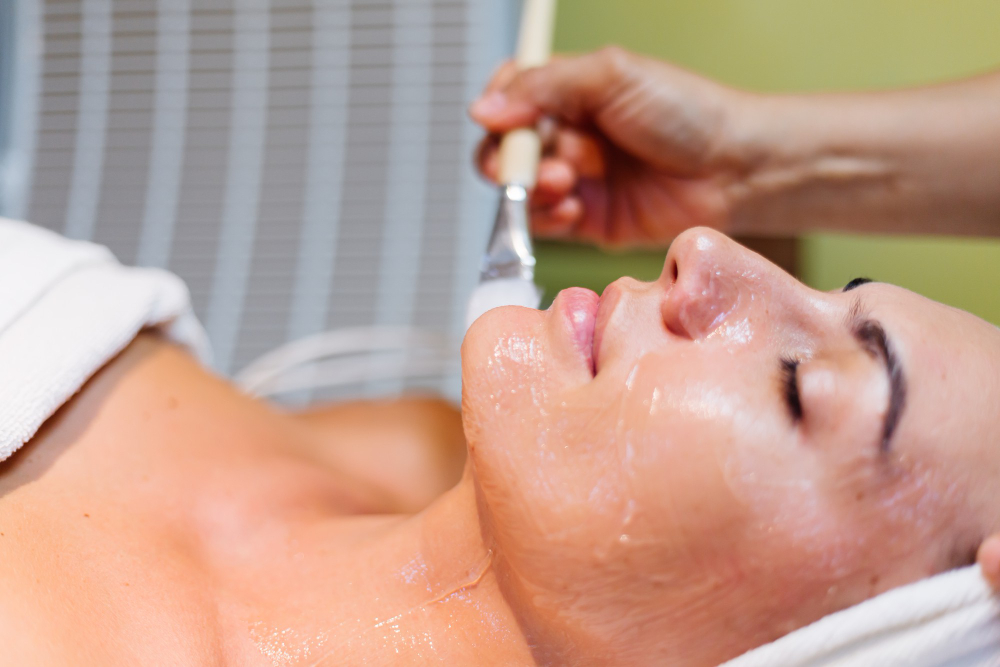
What is Chemical Peeling?
Chemical peeling is a skin treatment that uses special solutions to remove the top layers of skin. As a result, new, smoother skin can appear. Many people choose chemical peeling to improve their skin’s look and feel. This treatment is popular for skin rejuvenation and is often done in clinics or dermatology offices.
How Does Chemical Peeling Work?
During a chemical peel, a doctor or skin expert applies a chemical solution to your skin. Because of this solution, the outer skin layers slowly peel away. After the peeling, fresh skin grows in its place. Usually, the new skin is smoother and may look brighter. However, the depth of the peel depends on the type of solution used.
Types of Chemical Peels
There are three main types of chemical peels. Each type works at a different skin depth. Therefore, your doctor will choose the best one for your needs.
Benefits of Chemical Peeling
Chemical peeling offers many benefits for skin rejuvenation. For example, it can:
Because of these benefits, many people choose chemical peeling to boost their confidence and skin health.
Possible Risks and Side Effects
Although chemical peeling is safe when done by experts, there are some risks. For instance, you may notice:
However, most side effects are mild and go away with proper care. Always follow your doctor’s advice to lower risks.
Who is a Good Candidate?
Not everyone is a good candidate for chemical peeling. Usually, you may be a good fit if you:
However, people with certain skin conditions or darker skin tones should talk to a dermatologist first. Some peels may not be safe for everyone.
What to Expect During and After the Procedure
Before the procedure, your doctor will clean your skin. Then, they will apply the chemical solution. You may feel a mild stinging or burning for a few minutes. After the peel, your skin may look red or feel tight. In most cases, peeling starts within a few days. Recovery time depends on the type of peel. For example, superficial peels heal in a few days, while deep peels may take weeks.
Aftercare and Recovery Tips
Proper aftercare is important for the best results. Here are some tips:
Because aftercare helps your skin heal, it can also lower the risk of side effects.
Frequently Asked Questions
In summary, chemical peeling is a safe and effective way to improve your skin’s look and feel. However, it is important to talk to a professional before starting. Consult a certified dermatologist at DERMAX SKIN & HAIR TRANSPLANT CLINIC to find out if chemical peeling is right for you.