
What Are Acne Scars?
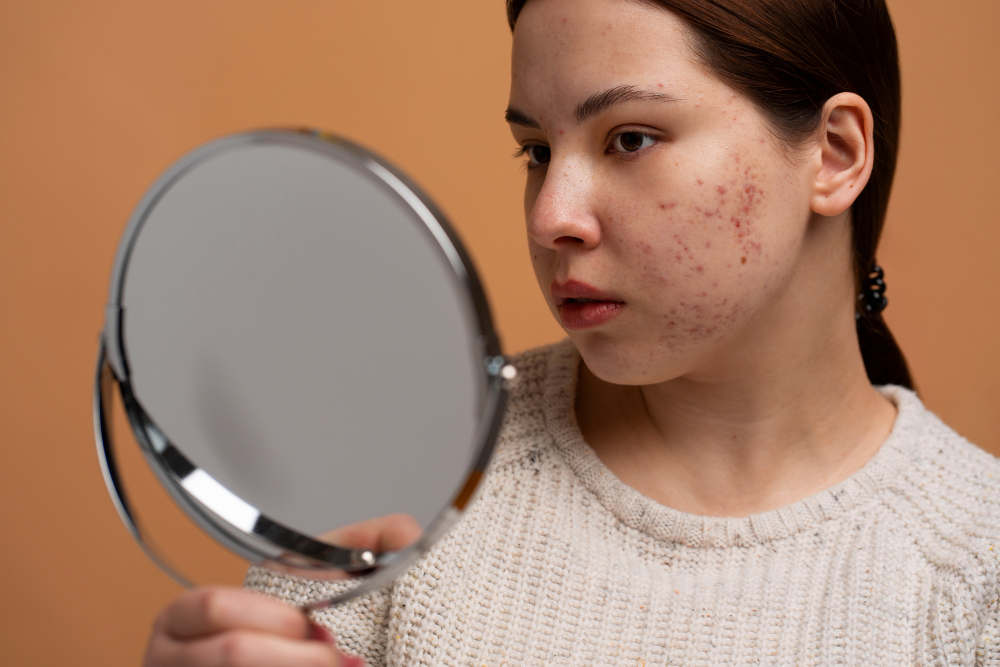
Acne scars are marks left on the skin after acne heals. Often, these scars can make people feel self-conscious. However, not everyone who has acne will get scars. Some people may notice only small spots, while others see deeper marks. Because acne scars can last a long time, many people look for ways to treat them. In fact, understanding acne scars is the first step to finding the right solution.
Why Do Acne Scars Happen?
Acne scars happen when the skin tries to heal after a pimple. Sometimes, the skin makes too much or too little tissue. As a result, scars form. Picking or squeezing pimples can make scars worse. Also, severe acne is more likely to leave scars. According to the American Academy of Dermatology, early treatment of acne can help prevent scars. Therefore, treating acne quickly is important.
Types of Acne Scars
There are several types of acne scars. Each type looks different on the skin. Knowing the type can help you choose the best treatment for acne scars.
Because each scar type is unique, treatments may vary.
Diagnosis of Acne Scars
First, a dermatologist will look at your skin. They may ask about your acne history. Sometimes, they will check the depth and type of scars. This helps them suggest the best treatments for acne scars. In most cases, no special tests are needed. However, seeing a skin expert ensures you get the right advice.
Treatment Options for Acne Scars
There are many acne scar treatments available today. Some work better for certain scar types. Because of this, it is important to talk to a dermatologist before starting any treatment. Here are some common options:
Because everyone’s skin is different, the best treatments for acne scars may vary. For severe scars, a combination of treatments may work best. Always ask a dermatologist near you for advice.
Prevention Tips
Preventing acne scars is easier than treating them. Here are some tips to help you avoid scars:
Because prevention is key, these steps can lower your risk of scars. If you need more help, ask your doctor about how to prevent acne scars.
When to See a Dermatologist
If you have acne scars that bother you, it is a good idea to see a dermatologist. Also, if home treatments do not help, or if scars are getting worse, seek expert advice. Dermatologists can suggest the best acne scar treatments for your skin type. In addition, they can help you avoid new scars in the future.
In summary, acne scars can affect anyone with acne. However, many treatment options are available. For the best results, consult at DERMAX SKIN & HAIR TRANSPLANT CLINIC for personalized advice on acne scar treatment.