What Is Dry and Damaged Hair?
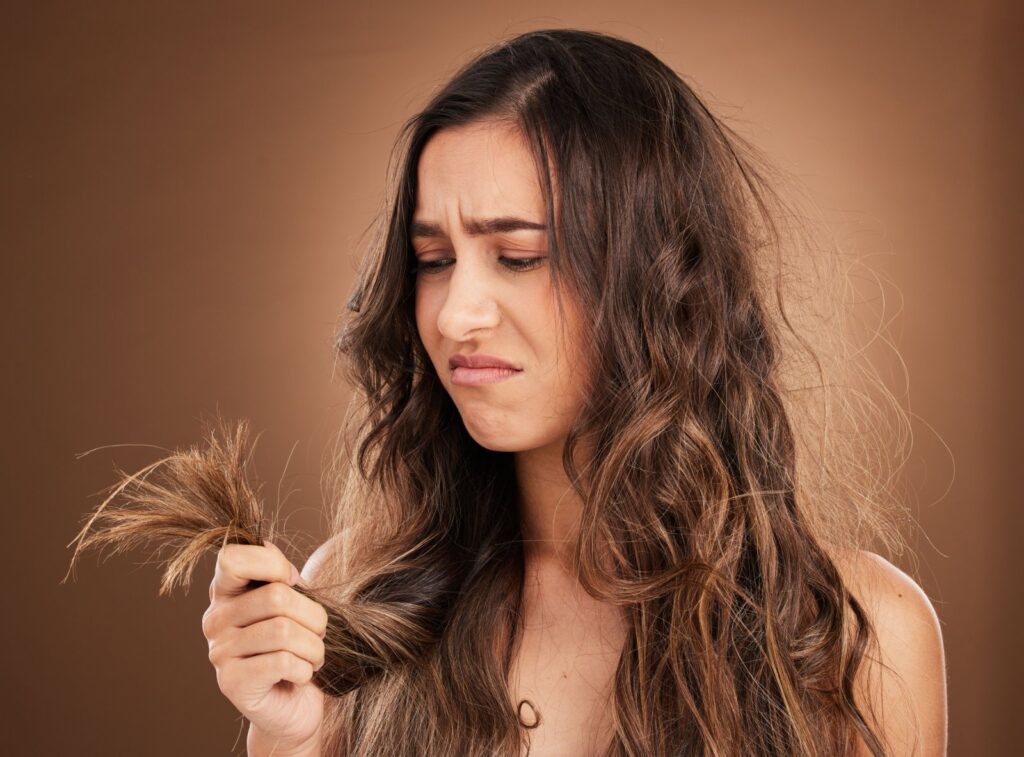
Many people struggle with dry and damaged hair at some point. This problem can make hair look dull, rough, or frizzy. In simple terms, dry hair does not have enough moisture. Damaged hair means the outer layer, called the cuticle, is broken or weak. Because of this, hair loses its shine and strength. For many, dry and damaged hair can also lead to split ends or breakage. In cities with harsh weather, this issue may be even more common. While everyone can get dry hair, some people are more at risk due to their hair type or habits.
Common Causes of Dry and Damaged Hair
Understanding the causes can help you protect your hair. Often, more than one factor leads to dry and damaged hair. For example, the following are common reasons:
Because these causes are common, many people experience dry and damaged hair at some point in their lives.
Recognizing the Signs and Symptoms
It is important to notice the signs early. That way, you can start caring for your hair right away. Common signs include:
Sometimes, you may also notice that your hair tangles more than usual. If you see these signs, it may be time to change your hair care routine.
Effective Hair Care Tips for Dry and Damaged Hair
Thankfully, there are many ways to care for dry and damaged hair. With the right steps, you can help your hair look and feel better. For example, try these tips:
Because each person’s hair is different, you may need to try a few methods to see what works best for you.
Prevention Strategies for Healthy Hair
Preventing dry and damaged hair is easier than fixing it. Therefore, try these simple strategies to keep your hair healthy:
Because hair health can change with age, weather, or lifestyle, it helps to review your routine often. If you have ongoing problems, a dermatologist can offer more advice based on your needs.
Conclusion
Dry and damaged hair can result from various factors such as excessive styling, chemical treatments, environmental exposure, or nutritional concerns. Understanding the underlying cause and following the right hair care approach can help improve hair strength, texture, and overall appearance.
Struggling with dry, damaged, or unhealthy hair?
Consult the experts at Dermax Skin & Hair Transplant Clinic for personalised hair care guidance and treatment options.