
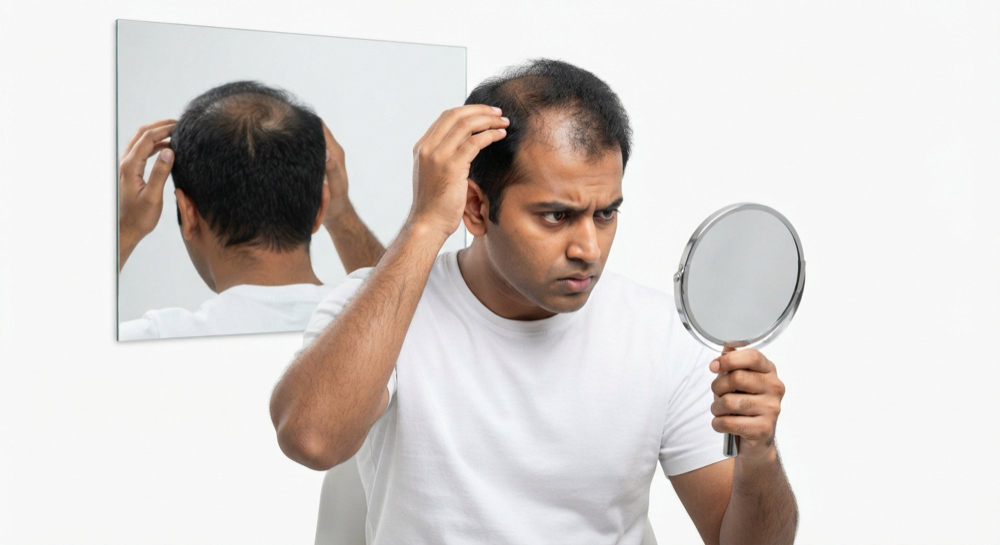
What Is Excessive Hair Loss?
Many people notice hair strands on their pillow or in the shower. However, excessive hair loss means you are losing more hair than usual. While it is normal to lose about 50 to 100 hairs each day, losing much more may signal a problem. For some, this can lead to visible hair thinning or bald spots. Because hair loss can affect self-esteem, it is important to know when to seek help. If you are concerned, you can find a hair specialist near you for advice.
Common Causes of Excessive Hair Loss
There are many reasons why someone may experience excessive hair loss. Sometimes, the cause is simple and easy to fix. Other times, it may need medical care. For example, changes in diet, stress, or illness can all play a role. Below are some common causes:
Because causes can vary, it is helpful to talk to a dermatologist for hair loss if you are unsure.
Symptoms That Indicate a Problem
While some hair shedding is normal, certain signs may point to a bigger issue. For instance, you may notice:
Additionally, if you see these symptoms, it may be time to look for hair thinning solutions or consult a hair loss specialist.
When Should You See a Hair Specialist?
Sometimes, hair loss is temporary and will improve on its own. However, you should see a hair specialist if:
Because early treatment can make a difference, do not wait if you are worried. A dermatologist for hair loss can help find the cause and suggest treatment for excessive hair shedding.
Diagnosis: What to Expect at the Clinic
When you visit a hair loss specialist, they will ask about your health, family history, and hair care habits. Next, they may examine your scalp and hair. Sometimes, they will gently pull on your hair to see how much comes out. In some cases, blood tests or a small scalp sample may be needed. These steps help the doctor find the cause and choose the best hair thinning solutions for you.
Treatment Options for Excessive Hair Loss
Treatment for excessive hair shedding depends on the cause. For example, if a medical condition is to blame, treating that condition may help. Common treatments include:
Because each person is different, a hair loss specialist will create a plan that fits your needs.
Lifestyle Tips to Support Healthy Hair
Even though some hair loss is out of your control, healthy habits can help. For instance, you can:
Additionally, regular check-ups with your doctor can help spot health issues early.
Preventive Measures for Hair Loss
While not all hair loss can be prevented, some steps may lower your risk. For example:
If you notice early signs of hair loss, acting quickly can help. You can always find a hair specialist at DERMAX SKIN & HAIR TRANSPLANT CLINIC for advice and support.