
Introduction to Hair Loss in Women
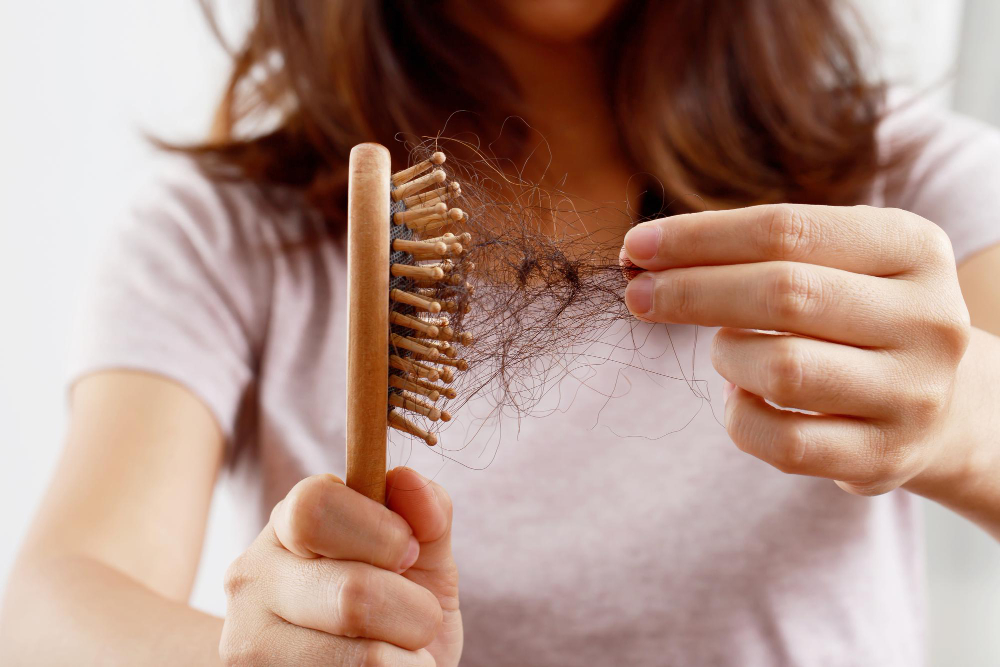
Hair loss in women is a common concern. Many women notice thinning hair or bald spots at some point. While some hair loss is normal, too much can be upsetting. For many, hair is linked to self-esteem and confidence. Therefore, sudden or severe hair loss can affect daily life and emotional health. According to the World Health Organization (WHO), hair loss can impact mental well-being. Understanding the signs and knowing when to seek help is important.
Common Symptoms and Early Warning Signs
Early detection of female hair loss can help you get treatment sooner. Watch for these signs:
Sometimes, hair may break easily or feel weaker than before. If you see these changes, it is wise to pay attention. Early action can make a difference.
Potential Causes of Hair Loss in Women
There are many women’s hair thinning causes. Some are temporary, while others may need medical care. Common causes include:
In some cases, hair loss can be a sign of an underlying health issue. Because of this, it is important to find the cause early.
When to Seek Dermatology Care
Knowing when to see a dermatologist for hair loss is key. You should seek care if:
Additionally, if hair loss runs in your family, early care can help slow it down. Do not wait if you see these red flags. Early treatment often leads to better results.
Diagnosis: What to Expect at the Dermatologist’s Office
At your visit, the dermatologist will ask about your health and hair loss history. Next, they will examine your scalp and hair. Sometimes, they may gently pull on your hair to check its strength. In some cases, blood tests or a scalp biopsy may be needed. These tests help find the cause of your hair loss. With this information, your doctor can suggest the best treatment for hair loss in women.
Treatment Options and Management Strategies
Treatment for hair loss in women depends on the cause. Common options include:
Sometimes, treating an underlying health problem can stop hair loss. Your dermatologist will guide you through the best choices for your needs.
Lifestyle Tips and Prevention
While not all hair loss can be prevented, healthy habits can help. Consider these tips:
Moreover, early action and good care can slow hair loss and support healthy hair growth.
Conclusion
Hair loss in women can be distressing, but help is available. If you notice warning signs or have concerns, do not wait. Consult a dermatologist at DERMAX SKIN & HAIR TRANSPLANT CLINIC for personalized advice on hair loss in women.