
Introduction: Understanding Acne Vulgaris and Its Impact
Acne vulgaris, often called pimples, is a common skin problem. It affects both teens and adults. For many, it can cause stress and lower self-confidence. Early recognition of the major symptoms of acne vulgaris helps manage the condition better. According to the World Health Organization (WHO), acne is one of the most widespread skin issues worldwide. But, with the right knowledge, you can spot the signs of acne vulgaris and take action.
Major Symptoms of Acne Vulgaris
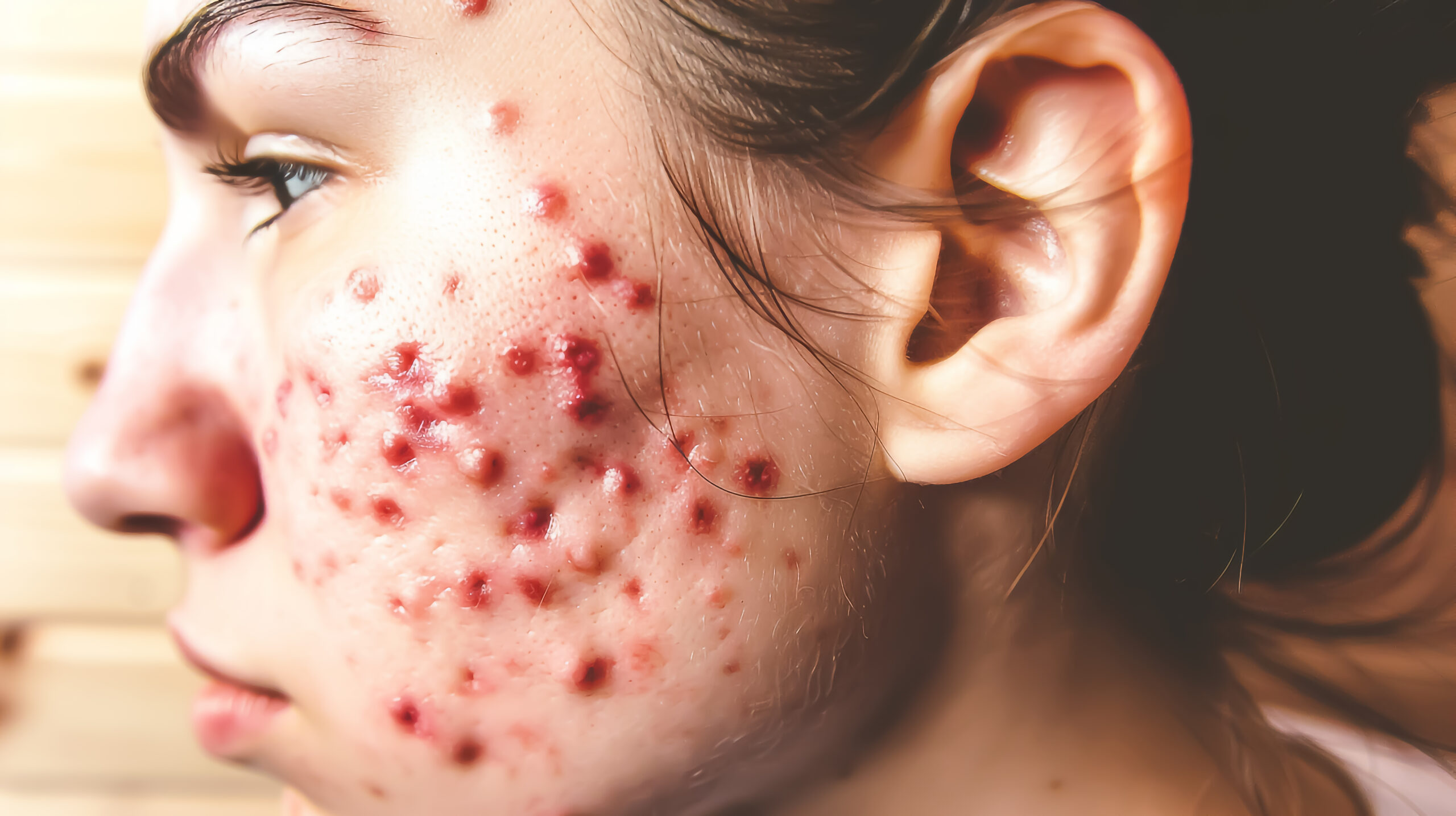
Acne vulgaris shows up in several ways. Each type of lesion looks and feels different. Below are the main symptoms to watch for:
How to Recognize Each Symptom Visually and by Sensation
It is important to know how each symptom looks and feels. This helps you identify pimples early. For example, whiteheads and blackheads are usually not painful. However, papules, pustules, nodules, and cysts can hurt or feel tender. Here is how you can spot them:
Often, acne symptoms in teens and adults look similar. But, adults may get more nodules and cysts, especially on the jawline.
When to Seek Medical Advice
Sometimes, acne can be managed at home. However, you should see a dermatologist if:
According to the American Academy of Dermatology, early treatment can prevent scars and boost confidence. Therefore, do not wait if you notice these signs of acne vulgaris.
Prevention Tips for Managing Acne Symptoms
While you cannot always prevent acne, you can reduce symptoms. Here are some simple tips:
In addition, always follow your dermatologist’s advice for the best results.
Conclusion
Recognizing the major symptoms of acne vulgaris helps you act early. Whether you are a teen or an adult, knowing how to identify pimples is key. If you notice severe or painful acne, consult a dermatologist at DERMAX SKIN & HAIR TRANSPLANT CLINIC for personalized advice on acne symptoms and treatment.