Introduction
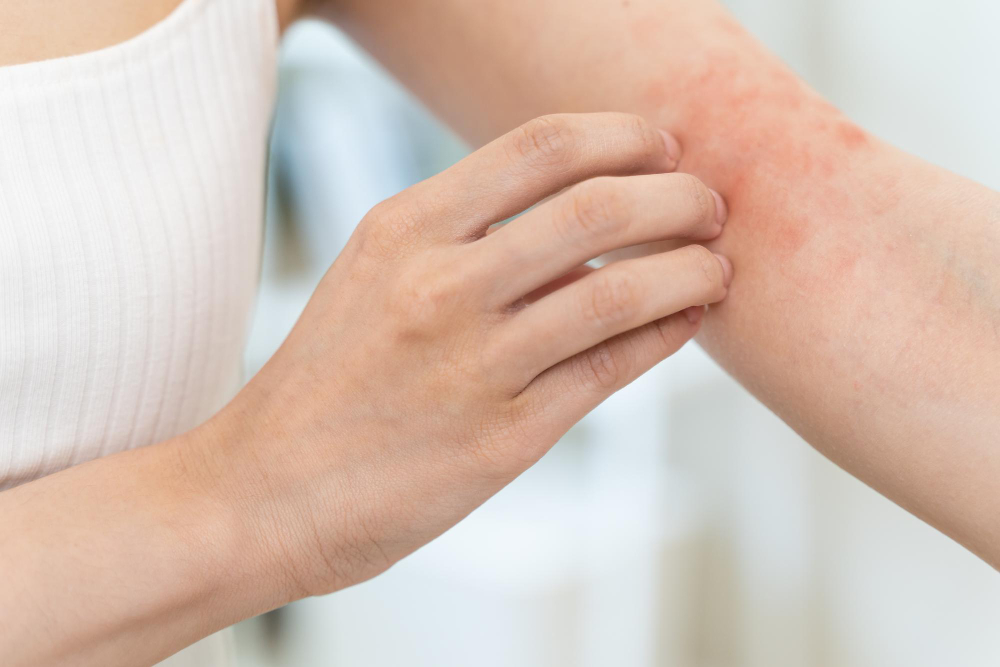
Monsoon skin infections are common during the rainy season. Because of high humidity and dampness, skin problems often increase. Many people notice rashes, itching, or red spots at this time. In fact, the risk of infection rises as water and sweat collect on the skin. Therefore, knowing how to prevent and treat these infections is important for everyone.
Common Types of Monsoon Skin Infections
During the monsoon, several skin infections can appear. For example, some of the most common types include:
Each type can cause discomfort. However, most can be managed with simple steps.
Symptoms to Watch For
It is important to notice early signs of monsoon skin infections. Some symptoms to watch for include:
If you see these symptoms, act quickly. Early care can prevent problems from getting worse.
Causes and Risk Factors
Monsoon skin infections often happen because of:
Moreover, children and older adults are at higher risk. People with diabetes or skin conditions should also be extra careful.
Prevention Tips
Thankfully, you can avoid many monsoon skin infections by following these tips:
In addition, always dry your feet and skin folds well after bathing.
Effective Treatment Options
If you develop a monsoon skin infection, do not worry. Most cases can be treated at home. Here are some treatment options:
However, if symptoms do not improve, seek medical help. According to the CDC, early treatment can stop infections from spreading.
When to See a Dermatologist
Sometimes, home care is not enough. You should see a dermatologist if:
Prompt medical care can prevent serious problems. Therefore, do not delay if you notice these signs.
Conclusion
Monsoon skin infections are common but preventable. By keeping your skin clean and dry, you can lower your risk. If you notice symptoms, start treatment early. For lasting or severe problems, consult a dermatologist at DERMAX SKIN & HAIR TRANSPLANT CLINIC . Your skin health matters, so take action today for a safe and comfortable monsoon season.