
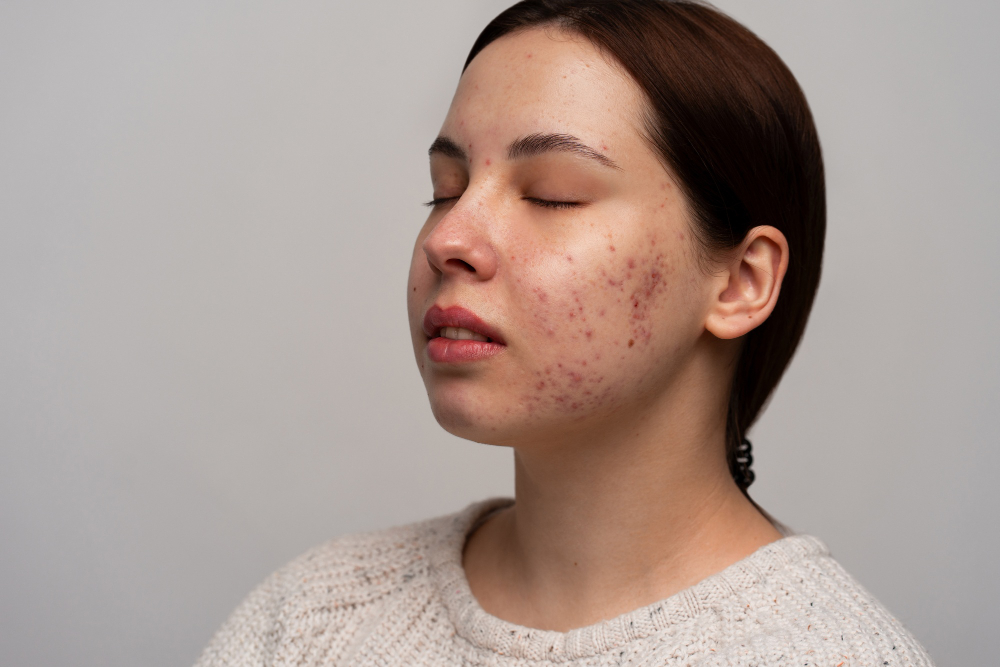
What is Acne Vulgaris?
Acne vulgaris, often called pimples, is a common skin problem. It affects people of all ages, but teens get it most often. Acne shows up as whiteheads, blackheads, or red bumps on the skin. Usually, it appears on the face, back, or chest. Understanding what causes acne vulgaris can help you manage and prevent breakouts.
Why Do Pimples Occur?
Pimples form when tiny skin pores get blocked. Often, this happens because of extra oil, dead skin cells, or bacteria. As a result, the skin becomes red and swollen. Knowing why pimples occur helps you take better care of your skin. In many cases, simple changes can make a big difference.
Most Common Causes of Acne Vulgaris (Pimples)
Many factors can lead to acne vulgaris. Below, you will find the most common causes. Each plays a role in how and why pimples develop.
Hormonal Changes
Hormones are a top cause of acne. During puberty, the body makes more hormones called androgens. These hormones increase oil production in the skin. As a result, teens often get more pimples. However, adults can also get acne due to hormone changes. For example, women may notice breakouts before their period or during pregnancy.
Excess Oil Production
The skin has tiny glands that make oil to keep it soft. Sometimes, these glands make too much oil. When this happens, the extra oil can block pores. Therefore, pimples are more likely to form. Oily skin types are more prone to acne vulgaris.
Bacterial Growth (Cutibacterium acnes)
Another common cause is bacteria called Cutibacterium acnes. This bacteria lives on the skin. When pores get blocked, bacteria can grow quickly. As a result, the skin becomes inflamed and pimples appear. Good skin hygiene can help reduce bacterial growth.
Clogged Pores (Dead Skin Cells)
Dead skin cells are always shedding from the skin’s surface. Sometimes, these cells stick together and block pores. When pores are clogged, oil and bacteria get trapped inside. This leads to whiteheads, blackheads, or pimples. Gentle washing can help remove dead skin cells.
Diet and Lifestyle Factors
Diet and lifestyle can also affect acne. Some studies suggest that foods high in sugar or dairy may trigger breakouts. Stress, lack of sleep, and not washing your face can make acne worse. To help your skin, try these tips:
Genetics and Family History
Family history plays a role in acne vulgaris. If your parents had acne, you may be more likely to get it too. Genetics can affect how much oil your skin makes and how your body reacts to bacteria. While you cannot change your genes, you can still manage acne with good skin care.
Myths vs. Facts About Acne Causes
Many myths surround acne vulgaris. It is important to know the facts. For example, some people think eating chocolate always causes pimples. However, research does not fully support this. Here are some common myths and facts:
When to See a Dermatologist
Most mild acne can be managed at home. However, you should see a dermatologist if:
Dermatologists can offer stronger treatments and advice. Early care can prevent lasting skin problems.
In summary, acne vulgaris has many causes, from hormones to lifestyle. If you struggle with pimples, consult a dermatologist at DERMAX SKIN & HAIR TRANSPLANT CLINIC for personalized advice and effective treatment options. Our experts are here to help you achieve clear, healthy skin.