
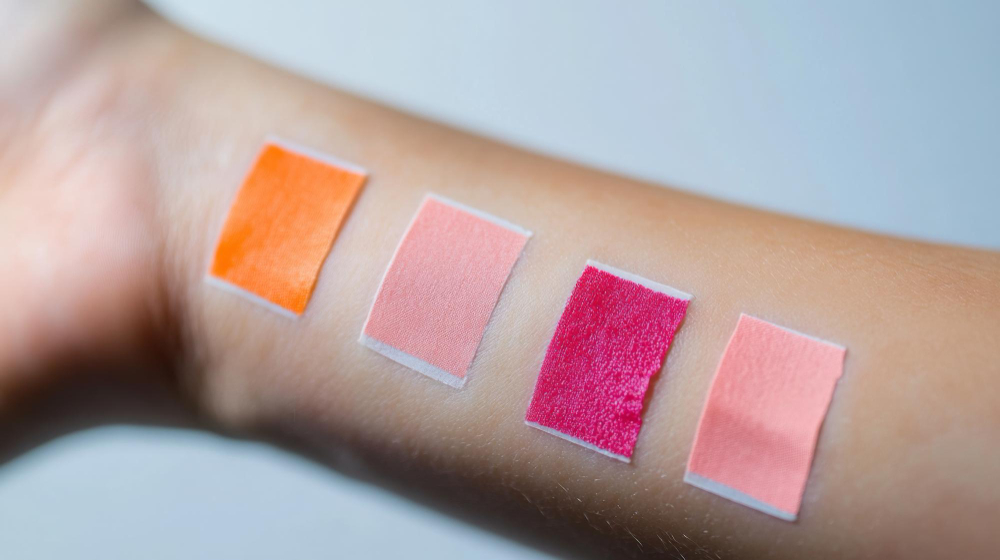
What Is Patch Testing?
Patch testing is a simple way to check if a skincare product is safe for your skin. Before using a new cream or lotion, you apply a small amount to a small area. This helps you see if your skin reacts badly. Many people use patch testing to prevent skin allergies and irritation. In fact, dermatologists recommend this step for a safe skincare routine.
Why Is Patch Testing Important Before Using Skincare Products?
Patch testing skincare products helps you avoid unwanted skin problems. For example, some products contain ingredients that may cause redness, itching, or swelling. By testing first, you can spot these issues early. Moreover, patch testing protects sensitive skin and helps you build a safe skincare routine. According to the American Academy of Dermatology, this step can prevent allergic reactions and discomfort.
Common Skin Reactions Prevented by Patch Testing
Patch testing can help you avoid several common skin reactions, such as:
Because everyone’s skin is different, some people are more likely to react than others. However, patch testing gives you a chance to spot problems before they spread.
Step-by-Step Guide: How to Patch Test at Home
It is easy to patch test skincare at home. Follow these steps for best results:
On the other hand, if there is no reaction, the product is likely safe for you to use. Still, always follow the instructions on the label.
Tips for Choosing Safe Skincare Products
Choosing the right products can help you avoid skin problems. Here are some tips:
Additionally, always patch test new products, even if they seem gentle.
When to Consult a Dermatologist
Sometimes, patch testing at home is not enough. You should see a dermatologist if:
In these cases, a dermatologist can help you find safe products and treat any problems. They may also offer professional patch testing for more accurate results.
Frequently Asked Questions About Patch Testing
Conclusion
Patch testing skincare products is a simple step that can prevent skin allergies and irritation. Because everyone’s skin is unique, testing helps you find what works best for you. For a safe skincare routine, always patch test new products and choose gentle options. If you have concerns or reactions, consult a dermatologist at DERMAX Skin & Hair Transplant Clinic for personalized skincare advice.