
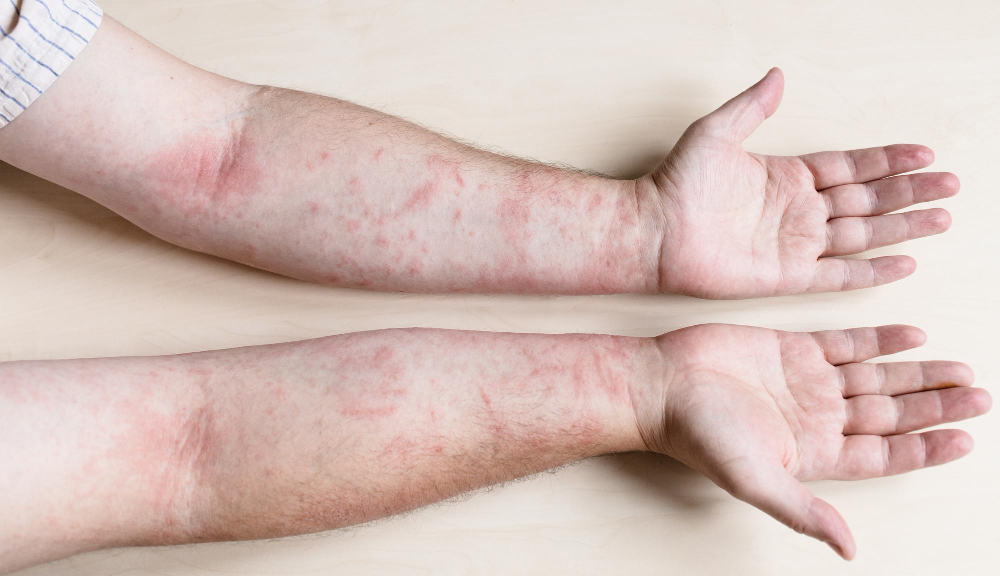
What Are Scabies and Eczema?
Many people wonder about scabies vs eczema because both cause itchy skin. However, they are very different conditions. Scabies is a skin problem caused by tiny mites that burrow into the skin. Eczema, on the other hand, is a long-term skin condition that makes the skin red, dry, and itchy. Both can affect people of all ages, but knowing the difference between scabies and eczema is important for proper treatment.
Key Differences Between Scabies and Eczema
Although both conditions cause itching, there are clear differences. For example, scabies is caused by mites, while eczema is not. Eczema is often linked to allergies or sensitive skin. In contrast, scabies spreads from person to person through close contact. Understanding these differences helps you choose the right treatment.
Symptoms: How to Recognize Each Condition
Recognizing symptoms early can help you get the right care. Both scabies and eczema cause itching, but there are some signs that set them apart.
While both can look similar, scabies often causes more severe itching and visible burrows.
Causes and Risk Factors
Understanding what causes each condition can help you avoid triggers. Scabies is caused by the Sarcoptes scabiei mite. It spreads through close skin contact or sharing bedding and clothing. Eczema is not caused by an infection. Instead, it often runs in families and can be triggered by things like soaps, stress, or weather changes.
Diagnosis: How Doctors Tell Them Apart
Doctors use several methods to tell the difference between scabies and eczema. First, they will ask about your symptoms and look at your skin. For scabies, doctors may scrape a small area of skin to check for mites under a microscope. Eczema is usually diagnosed by looking at the skin and asking about your health history. Sometimes, allergy tests help find eczema triggers.
Treatment Options for Scabies
Treating scabies requires killing the mites and stopping the itch. Doctors often prescribe special creams or lotions, such as permethrin, to apply to the whole body. In some cases, oral medicine may be needed. It is important to treat everyone in the household at the same time, even if they do not have symptoms. Wash bedding and clothes in hot water to prevent the mites from coming back.
Treatment Options for Eczema
While eczema cannot be cured, it can be managed. Moisturizing the skin is key. Doctors may also suggest steroid creams to reduce redness and itching. In some cases, allergy medicines or special creams are used. Avoiding triggers, such as harsh soaps or stress, can help prevent flare-ups.
Prevention Tips and Home Care
Preventing scabies and eczema flare-ups is possible with a few simple steps. For scabies, avoid close contact with infected people and do not share bedding or clothing. For eczema, keep your skin moisturized and avoid known triggers. If you have either condition, follow your doctor’s advice for home care.
When to See a Dermatologist
If you have itchy skin that does not get better, it is time to see a dermatologist. Also, if you notice burrows, severe itching at night, or skin infections, seek help right away. Early treatment can prevent problems and help you feel better faster.
If you notice symptoms of scabies or eczema, consult a dermatologist at DERMAX SKIN & HAIR TRANSPLANT CLINIC for accurate diagnosis and personalized treatment.