
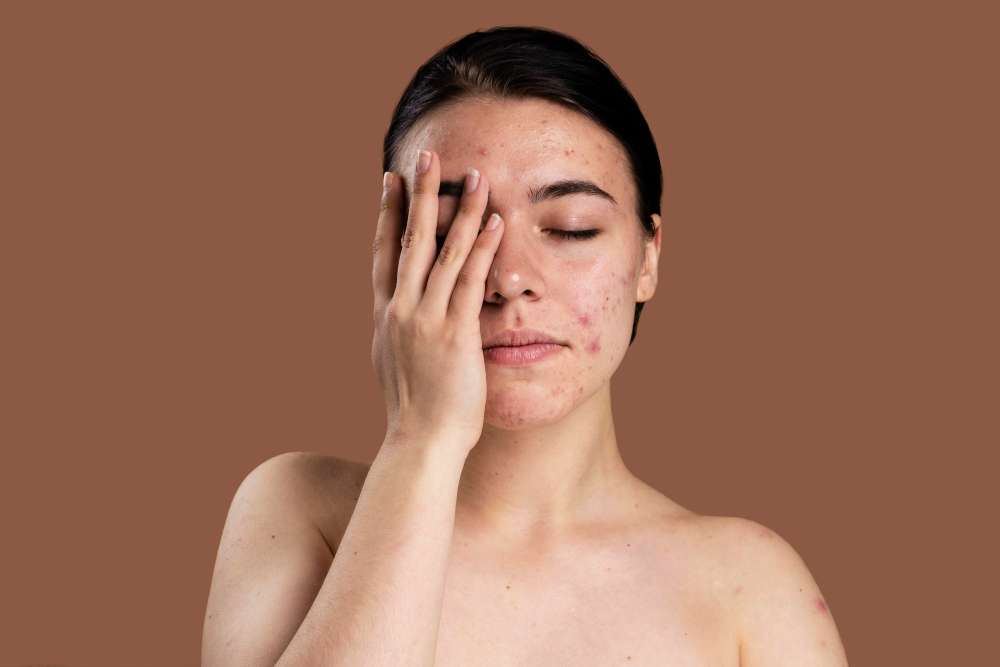
Introduction: What Is Recurring Acne?
Recurring acne is a skin problem that keeps coming back, even after treatment. Many people wonder about the root causes of recurring acne. This type of acne can be frustrating and hard to manage. While some breakouts go away quickly, others return again and again. If you ask, “Why does acne keep coming back?” you are not alone. Understanding the reasons behind persistent acne can help you find better solutions. In this blog, we will explore the main causes, symptoms, and ways to stop recurring breakouts.
Common Symptoms and Patterns of Recurring Acne
Recurring acne often follows certain patterns. For example, you may notice pimples appear in the same spots. Sometimes, breakouts happen around the same time each month. Other times, acne seems to never fully clear up. Common symptoms include:
Additionally, some people find that their acne gets worse during stress or changes in weather. If you notice these patterns, it may help to track your breakouts. This can give clues about what triggers your acne.
Root Causes of Recurring Acne
There are many reasons why acne keeps coming back. Let’s look at the most common root causes of recurring acne.
Hormonal Factors
Hormones play a big role in acne. For instance, teenagers often get acne during puberty. Women may notice breakouts before their periods or during pregnancy. Hormonal changes can make the skin produce more oil, which can clog pores. According to the American Academy of Dermatology, hormonal acne is common in adults too.
Genetics
Some people are more likely to get acne because of their genes. If your parents had acne, you may have a higher risk. Genetics can affect how much oil your skin makes and how it reacts to bacteria.
Lifestyle and Skincare Habits
Your daily habits can also cause persistent acne. For example, using oily or harsh skin products can block pores. Not washing your face after sweating can make breakouts worse. Even touching your face often can spread bacteria. The CDC recommends gentle cleansing and avoiding picking at pimples.
Diet
Some studies suggest that certain foods may trigger acne. For example, high-sugar foods and dairy products can make breakouts more likely for some people. However, diet does not cause acne for everyone. It helps to notice if certain foods make your acne worse.
Environmental Triggers
Pollution, humidity, and sweat can also lead to recurring acne. For instance, living in a city with dirty air may clog your pores. Wearing tight hats or helmets can trap sweat and oil on your skin. These triggers can make it hard for your skin to stay clear.
Diagnosis: When to Seek Medical Advice
Sometimes, home care is not enough to stop recurring breakouts. You should see a doctor or dermatologist if:
Early treatment can prevent scars and help you feel better. A doctor can check for underlying causes and suggest the best treatment.
Evidence-Based Treatment Options
There are many ways to treat recurring acne. Some common options include:
According to the World Health Organization, it is important to follow your doctor’s advice. Do not stop treatment too soon, as this can cause acne to return.
Prevention Tips and Lifestyle Guidance
While you may not stop acne completely, you can lower your risk of breakouts. Try these tips:
In addition, keep track of what triggers your acne. This can help you avoid things that make it worse. If you wonder how to stop recurring breakouts, these steps can make a big difference.
Conclusion
Recurring acne can be frustrating, but you’re not alone. By understanding the root causes of your acne, you can take effective steps to manage and reduce breakouts. If your acne keeps coming back, don’t wait to seek help.
Consult a dermatologist at DERMAX Skin & Hair Transplant Clinic for personalised advice and treatment options to manage recurring acne and achieve clearer, healthier skin.