
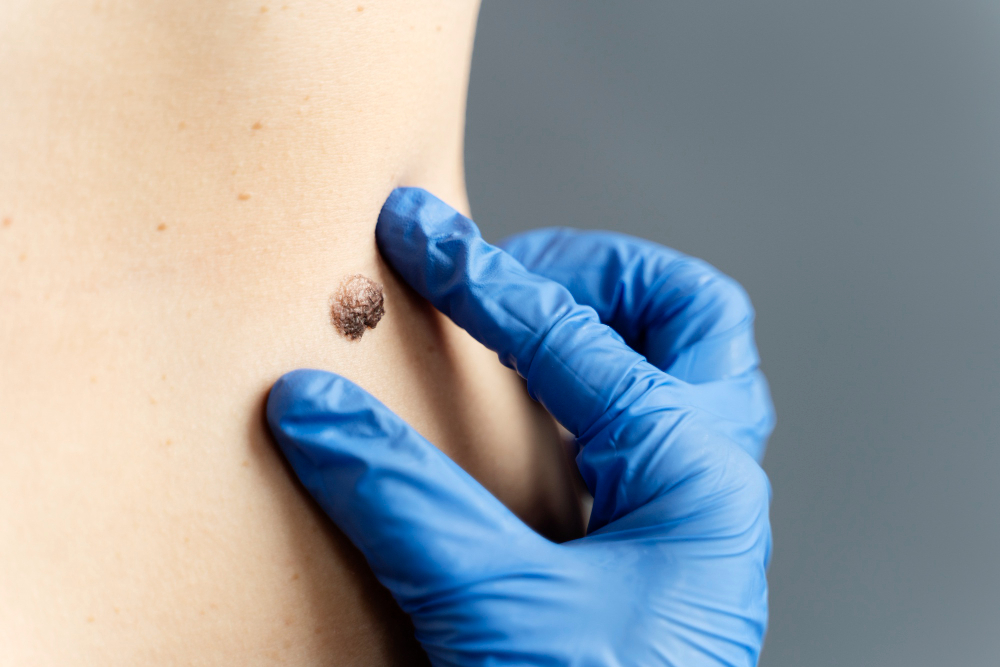
What Are Warts?
Warts are small, rough growths that appear on the skin. They are caused by the human papillomavirus (HPV). Although warts are usually harmless, they can be bothersome. Many people want to know about warts types and removal options. In fact, understanding wart removal methods and how to get rid of warts can help you make the right choices. Warts can appear anywhere on the body, but they are most common on the hands and feet. While some warts go away on their own, others may need treatment.
Types of Warts
There are several types of warts. Each type looks and feels different. Knowing the types of warts can help you identify them easily. Here are the main types:
Causes and Risk Factors
Warts are caused by infection with HPV. However, not everyone who comes in contact with the virus will get warts. Some people are more at risk. For example, children and people with weak immune systems get warts more easily. Also, cuts or breaks in the skin make it easier for the virus to enter. Sharing towels, razors, or shoes can also spread the virus. In addition, walking barefoot in public showers or pools increases your risk.
Diagnosis of Warts
Doctors usually diagnose warts by looking at them. Sometimes, they may scrape off the top layer to check for tiny blood vessels. Rarely, a small sample may be sent to a lab. This helps rule out other skin problems. Most of the time, no special tests are needed. If you are unsure, a dermatologist can help confirm the diagnosis.
Wart Removal Options
Many people want to know how to get rid of warts. There are several wart removal methods. Some can be done at home, while others need a doctor’s help. Here are common options:
Home remedies like duct tape or apple cider vinegar are popular. However, there is little scientific proof they work. The CDC and dermatology experts recommend medical treatments for best results.
Prevention Tips
Although warts are common, you can lower your risk. Try these tips to prevent warts:
Because warts spread easily, these steps can help protect you and others.
When to See a Dermatologist
Most warts are harmless and go away on their own. However, you should see a dermatologist if:
Early treatment can prevent warts from spreading or causing discomfort. According to the CDC and WHO, professional care is safest for stubborn or unusual warts.
Consult a dermatologist at DERMAX SKIN & HAIR TRANSPLANT CLINIC for personalized advice on wart treatment and removal.