
Introduction
Many people enjoy spending time in the sun. However, knowing the difference between tanning and sunburn is important for your skin health. Tanning vs Sunburn is a topic that affects everyone, especially during sunny days. While both happen after sun exposure, they are not the same. Understanding these differences helps you protect your skin and avoid long-term damage. According to experts, safe sun exposure is key to healthy skin.
What is Tanning?
Tanning happens when your skin darkens after being in the sun. When sunlight hits your skin, it triggers cells called melanocytes. These cells make more melanin, which is the pigment that gives skin its color. As a result, your skin looks darker. For some, a tan may seem healthy. However, it is actually a sign that your skin is trying to protect itself from damage. Over time, repeated tanning can lead to skin damage from sun exposure. Even mild tanning increases your risk of skin aging and skin cancer.
What is Sunburn?
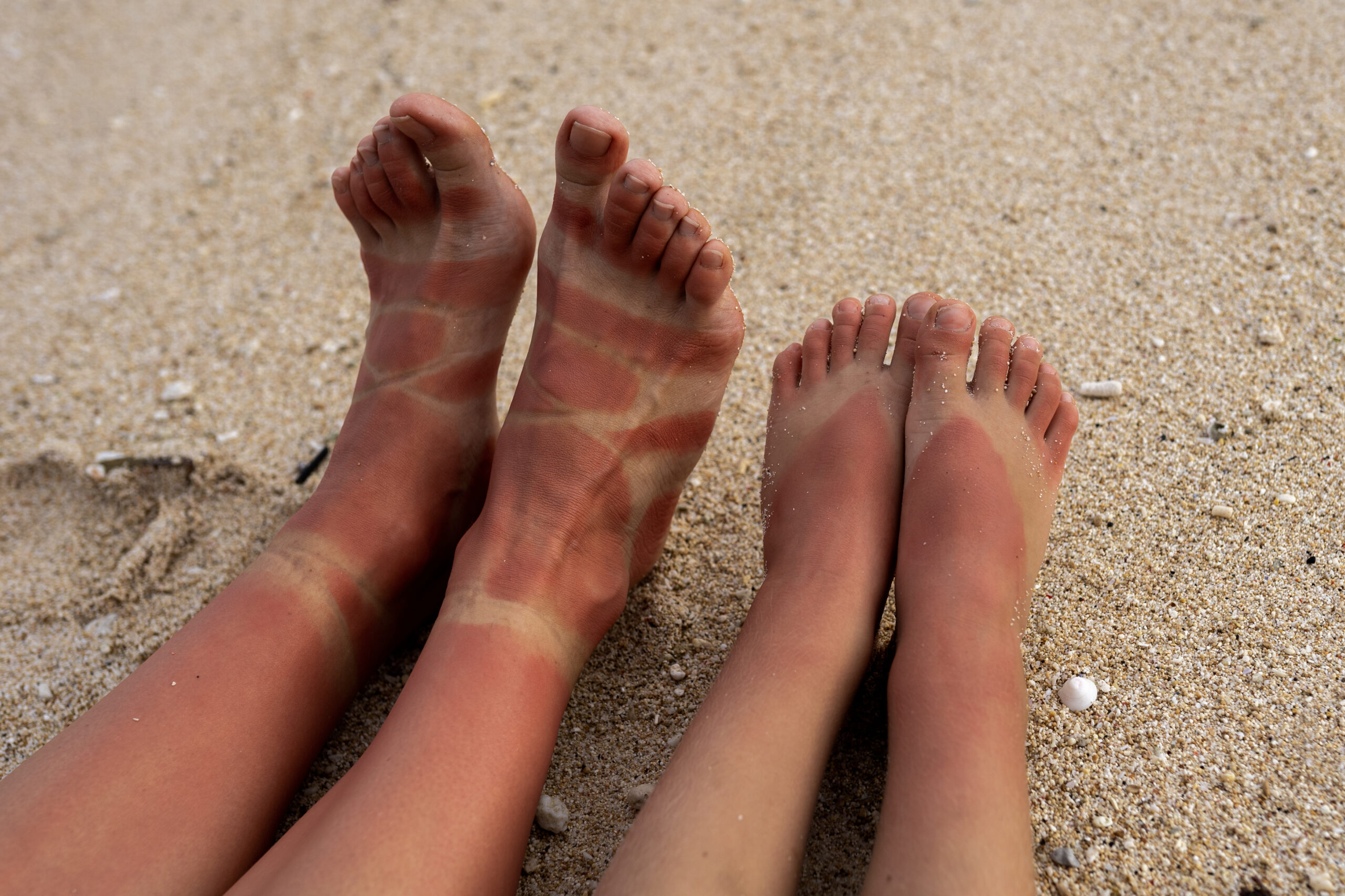
Sunburn is a painful reaction that happens when your skin gets too much ultraviolet (UV) light. Unlike tanning, sunburn means your skin cells are damaged. The skin turns red, feels hot, and may swell or blister. This happens because the body sends extra blood to the area to heal the damage. Sunburn can happen quickly, sometimes after just 15 minutes in strong sun. The symptoms usually appear a few hours after exposure and can last for days. Severe sunburn may need medical attention.
Key Differences Between Tanning and Sunburn
Risks and Complications
Both tanning and sunburn can harm your skin. Over time, repeated sun exposure leads to:
According to the World Health Organization (WHO) and the Centers for Disease Control and Prevention (CDC), there is no safe way to tan from the sun. Even a light tan means your skin is damaged. Sunburn, especially repeated burns, raises your risk of serious skin problems.
Prevention and Safe Sun Practices
Protecting your skin is simple with a few steps. For safe sun exposure, try these tips:
By following these steps, you can enjoy the outdoors while keeping your skin safe.
When to See a Dermatologist
Sometimes, sun damage needs expert care. You should see a dermatologist if you notice:
Early advice from a skin doctor can prevent serious problems. Dermatology advice for sun safety is always helpful, especially if you have fair skin or a family history of skin cancer.
Conclusion & Call-to-Action
In summary, understanding the difference between tanning and sunburn helps you make safer sun choices. Both can cause lasting skin damage, but simple precautions can reduce your risk. For personalized sun safety advice, consult DERMAX SKIN & HAIR TRANSPLANT CLINIC.