
Introduction
Dermatitis, also known as skin irritation, is a common problem. Many people experience it at some point in their lives. Dermatitis (skin irritation) can cause redness, itching, and discomfort. Because our skin protects us every day, keeping it healthy is important. Understanding dermatitis helps you manage symptoms and prevent future outbreaks. This guide explains what dermatitis is, its causes, symptoms, diagnosis, and how to treat skin irritation at home.
What is Dermatitis (Skin Irritation)?
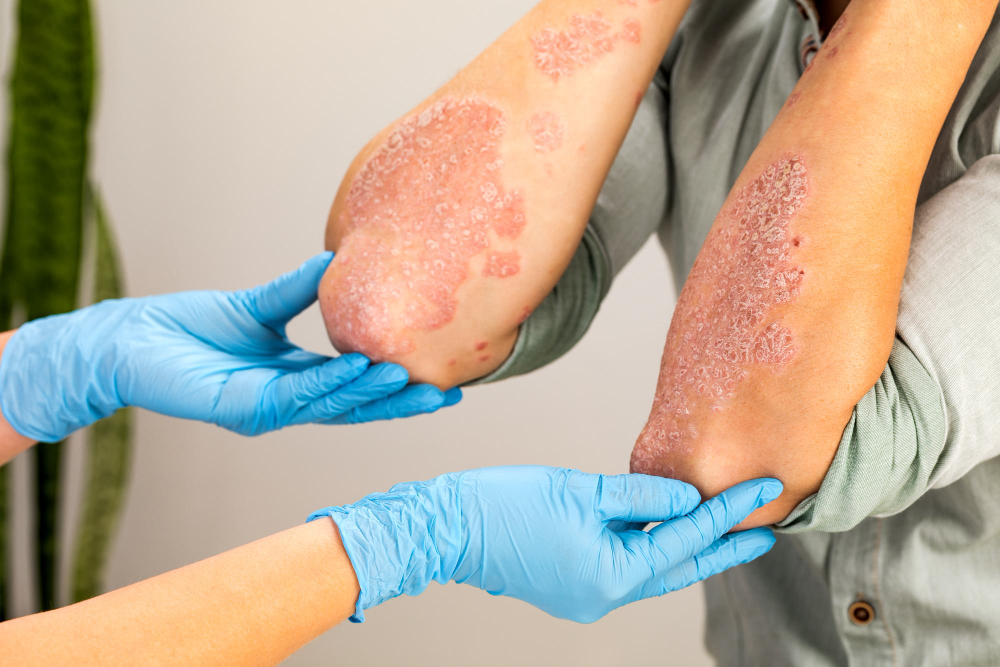
Dermatitis is a term for inflammation of the skin. It often leads to redness, swelling, and itching. Sometimes, the skin may blister, flake, or crack. There are different types of dermatitis, such as atopic dermatitis (eczema), contact dermatitis, and seborrheic dermatitis. Each type has its own triggers and symptoms. However, all forms cause some level of skin irritation. While dermatitis is not contagious, it can affect daily life if not managed well.
Common Causes of Dermatitis
Many things can trigger dermatitis. For example, some people react to soaps or detergents. Others may have allergies to certain plants or foods. Even stress can make symptoms worse. Here are some common causes:
Because triggers vary, it is important to notice what makes your skin react.
Recognizing Symptoms of Dermatitis
Dermatitis symptoms can look different for each person. However, some signs are common. For instance, you may notice:
Sometimes, symptoms appear quickly after contact with a trigger. Other times, they develop slowly. If you see these signs, it is best to take action early.
How Dermatitis is Diagnosed
Doctors usually diagnose dermatitis by looking at your skin and asking about your symptoms. Sometimes, they may ask about your daily habits or family history. In some cases, a doctor may do a patch test. This test helps find out if you are allergic to certain substances. Rarely, a skin biopsy may be needed. Most of the time, a simple exam is enough. According to the CDC, early diagnosis can help prevent complications.
Treatment Options for Dermatitis
There are many ways to treat dermatitis. Treatment depends on the cause and severity. For mild cases, home remedies can help. However, severe symptoms may need medical care. Common treatment options include:
Because each person is different, your doctor may suggest a personalized plan. The World Health Organization recommends gentle skin care and avoiding irritants.
Lifestyle Tips and Prevention
Preventing dermatitis outbreaks is possible with some simple steps. For example, you can:
Additionally, managing stress can help reduce flare-ups. If you follow these tips, you may prevent many cases of skin irritation at home.
When to See a Dermatologist
Sometimes, home care is not enough. If your symptoms do not improve or get worse, it is time to see a dermatologist. For example, seek help if:
Early treatment can prevent complications and help you feel better sooner.
Conclusion
In summary, dermatitis (skin irritation) is a common but manageable condition. With the right care, most people can control their symptoms. If you notice persistent skin irritation, consult a dermatologist at DERMAX SKIN & HAIR TRANSPLANT CLINIC for personalized advice.